
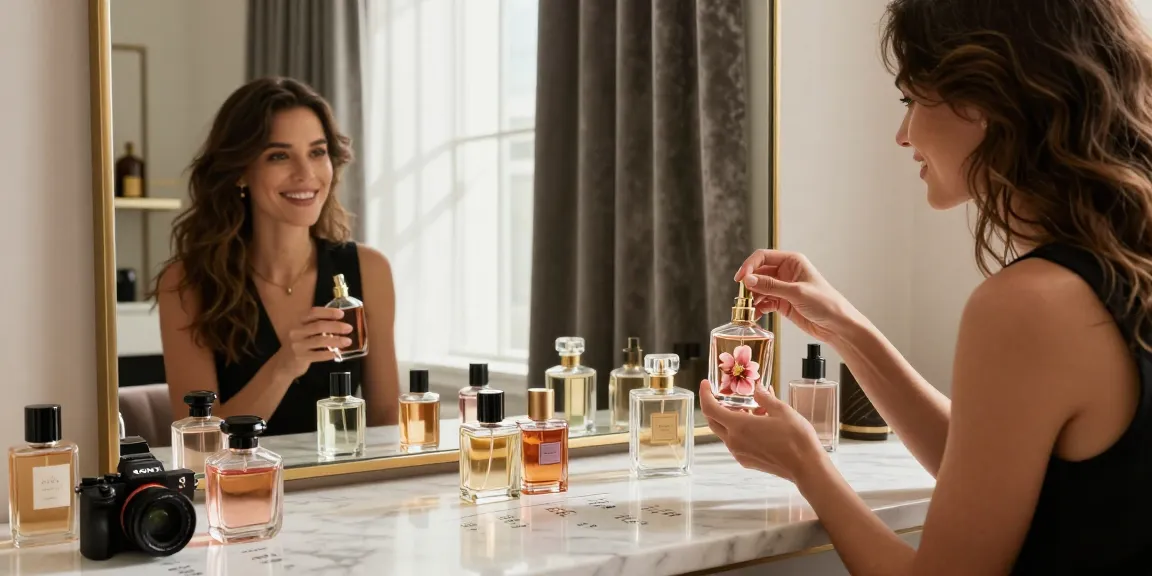
Understanding Perfume Layering
Perfume layering is an art that allows individuals to create unique fragrance combinations tailored to their preferences and personality. By blending different scents, enthusiasts can develop a signature aroma that evolves throughout the day, revealing new facets and complexities. For those looking to explore this creative process, Perfume Layering Tips can provide comprehensive insights into achieving the perfect blend.
What is Perfume Layering?
At its core, perfume layering involves applying multiple fragrances in a strategic way to create a harmonious scent experience. This practice can enhance the longevity and perception of individual fragrances, allowing them to interact and produce new aromatic profiles. Whether you prefer a light floral scent paired with a warm, musky base or a zesty citrus layered over a deep woody note, the possibilities are endless.
The Benefits of Layering Scents
- Personalization: Layering allows you to craft a scent that reflects your unique identity and mood.
- Versatility: Utilize the same fragrances in different combinations to suit various occasions, from casual outings to formal events.
- Enhanced Longevity: Properly layered scents can last longer, as the base notes anchor the lighter, more volatile top notes.
- Financial Efficiency: Instead of purchasing many unique scents, layering can help you make the most of fewer perfumes.
Common Mistakes to Avoid
While layering can be rewarding, it is also easy to make mistakes. Common pitfalls include:
- Choosing overly conflicting scents that clash rather than complement each other.
- Over-applying fragrances, leading to an overpowering aroma that can be off-putting.
- Neglecting to consider the concentration of each scent, which can affect how they interact.
Selecting Your Base Fragrance
Characteristics of a Great Base Scent
A base fragrance is essential for a successful layering experience. Look for scents that have strong, lasting notes such as amber, sandalwood, or vanilla. These elements serve as the foundation for lighter top notes, providing depth and richness.
Top Base Notes to Consider
- Amber: A warm, resinous scent that adds a depth to any fragrance.
- Sandalwood: Creamy, woody notes that enhance earthiness.
- Vanilla: Sweet and comforting, ideal for softening sharper scents.
How to Apply Base Fragrance Effectively
Start your layering process by applying the base fragrance to pulse points where blood vessels are close to the skin. These areas will radiate the scent more effectively. Allow the base to settle before introducing additional layers.
Choosing Complementary Scents
Identifying Harmonizing Fragrance Families
When selecting complementary fragrances, it’s important to understand fragrance families, such as floral, oriental, woody, and fresh. Pairing scents from the same family can create a more cohesive aroma.
Layering Techniques for Different Occasions
- Daytime: Opt for lighter scents, such as citrus or floral, as base notes paired with a refreshing green fragrance.
- Evening: Consider deeper, richer scents like oud or woods for a more alluring presence.
- Special Events: Combine strong, unique fragrances that reflect your confidence and personality.
Examples of Successful Scent Combinations
Here are some classic pairings that can enhance your fragrance experience:
- Floral base with a hint of citrus: Jasmine layered with Grapefruit.
- Woody base with creamy vanilla: Sandalwood layered with Vanilla Bean.
- Fresh base with spicy undertones: Green Tea layered with Cinnamon.
Advanced Layering Techniques
Using Fragrance Mists and Oils
To add an extra layer of scent, consider incorporating mists or oils between your fragrance layers. Mists can provide a light touch, while oils can deepen the experience. Experiment with different concentrations to discover what works best for you.
Creating Signature Scents
Creating a signature scent that is uniquely yours requires careful experimentation. Blending different notes can lead to an unexpected yet delightful signature fragrance that captures your essence. Document your combinations to remember which blends you enjoy most.
Tips for Seasonal Layering Styles
As seasons change, so should your fragrance layers. In warmer months, light scents are preferable; think fruity or floral notes. Conversely, in cooler months, heavier, spicier fragrances can provide warmth and comfort.
Maintaining Your Layered Fragrance
How to Refresh Your Scent Throughout the Day
To maintain your layered fragrance during the day, consider carrying a travel-sized version of your base fragrance or a complementary scent. Spraying lightly on pulse points can refresh the aroma without overwhelming those around you.
Storage Tips for Layering Success
Proper storage of your perfumes is crucial for maintaining their integrity. Store them in a cool, dark place away from direct sunlight to prevent degradation. Avoid storing fragrances in bathrooms where humidity can alter their scent.
Future Trends in Perfume Layering
As the fragrance industry continues to evolve, so will layering techniques. The incorporation of sustainable and innovative ingredients is on the rise, leading to exciting possibilities for unique scent combinations. Additionally, advancements in fragrance technology will allow for smarter and more personalized layering experiences.
What are the best perfumes for layering?
The best perfumes for layering are those that offer complementary notes and can withstand the complexities of fragrance blending. Look for versatile fragrances that can transition from day to night with ease.
Can you layer perfume with body lotion?
Absolutely! Layering perfume with scented body lotions can enhance the overall scent experience. Choose lotions with similar fragrance profiles to avoid clashing.
How do I know if my scents complement each other?
To determine if your scents complement one another, consider their fragrance families and notes. Testing them together on your skin can help you observe how they blend and evolve.
Is there a specific order to layer fragrances?
Yes, typically, you start with the heaviest base scent, followed by middle notes, and finish with lighter top notes. This order helps to create a balanced and harmonious scent.
What are some popular layering combinations?
Some popular layering combinations include floral notes over musky bases, citrus over herbal scents, and spices layered with woody fragrances. Experimentation is key to finding combinations that resonate with your personal style.